Why a Single Comparison Beats a Stack of Quotes
Most owners begin a replacement project by collecting three bids and looking at the bottom line. That is a reasonable starting point, but it hides the variables that actually drive lifetime cost: membrane thickness, insulation R-value, attachment method, warranty terms, and how many tear off days your tenants will absorb. A TPO bid and a modified bitumen bid are not the same product wearing different labels. They behave differently in heat, drain differently after a Meridian Hills thunderstorm, and reach end of life on different schedules.
The table below puts the four systems we install most often on commercial buildings in our region against each other. Numbers reflect typical Central Indiana projects between roughly 8,000 and 25,000 square feet with standard insulation upgrades. Smaller buildings push per square foot prices up; larger projects with simple geometry push them down. Read the table once for the numbers, then read the analysis underneath for the reasons behind them.
Side by-Side: Four Commercial Replacement Systems in Meridian Hills
| System | Installed Cost (per sq ft) | Project Timeline (15,000 sq ft) | Expected Lifespan | Warranty Range | Best Fit |
|---|---|---|---|---|---|
| TPO (single ply) | $7.50 to $11.50 | 10 to 18 days | 20 to 25 years | 15 to 25 yr | Retail, light industrial, offices wanting reflective white roofs |
| EPDM (rubber) | $7.00 to $10.50 | 8 to 16 days | 22 to 30 years | 15 to 30 yr | Warehouses, buildings with heavy rooftop traffic or punctures |
| PVC (single ply) | $9.00 to $13.50 | 12 to 20 days | 20 to 30 years | 20 to 30 yr | Restaurants, labs, anywhere with grease, chemicals, or ponding |
| Modified Bitumen | $8.50 to $12.50 | 12 to 22 days | 18 to 22 years | 10 to 20 yr | Smaller roofs, high traffic decks, complex penetration patterns |
What Drives the Range Within Each System
Every row on the table shows a price range, not a fixed number, and the spread is wider than most owners expect. Three factors explain most of it. First, tear off complexity: a roof with one existing layer and a clean steel deck installs faster than one carrying two layers and saturated insulation. Second, insulation upgrades: bringing R-value up to current energy code can add $1.50 to $3.00 per square foot, but it also reduces heating costs for the life of the roof. Third, penetration count: every drain, vent, curb, and skylight adds flashing labor that compounds across a large roof. For projects where existing membrane is still adhered and the deck is sound, owners sometimes ask whether coating versus replacement is the smarter spend. The honest answer depends on remaining membrane life, and we will measure before recommending.
Planning the Project Around Your Operations
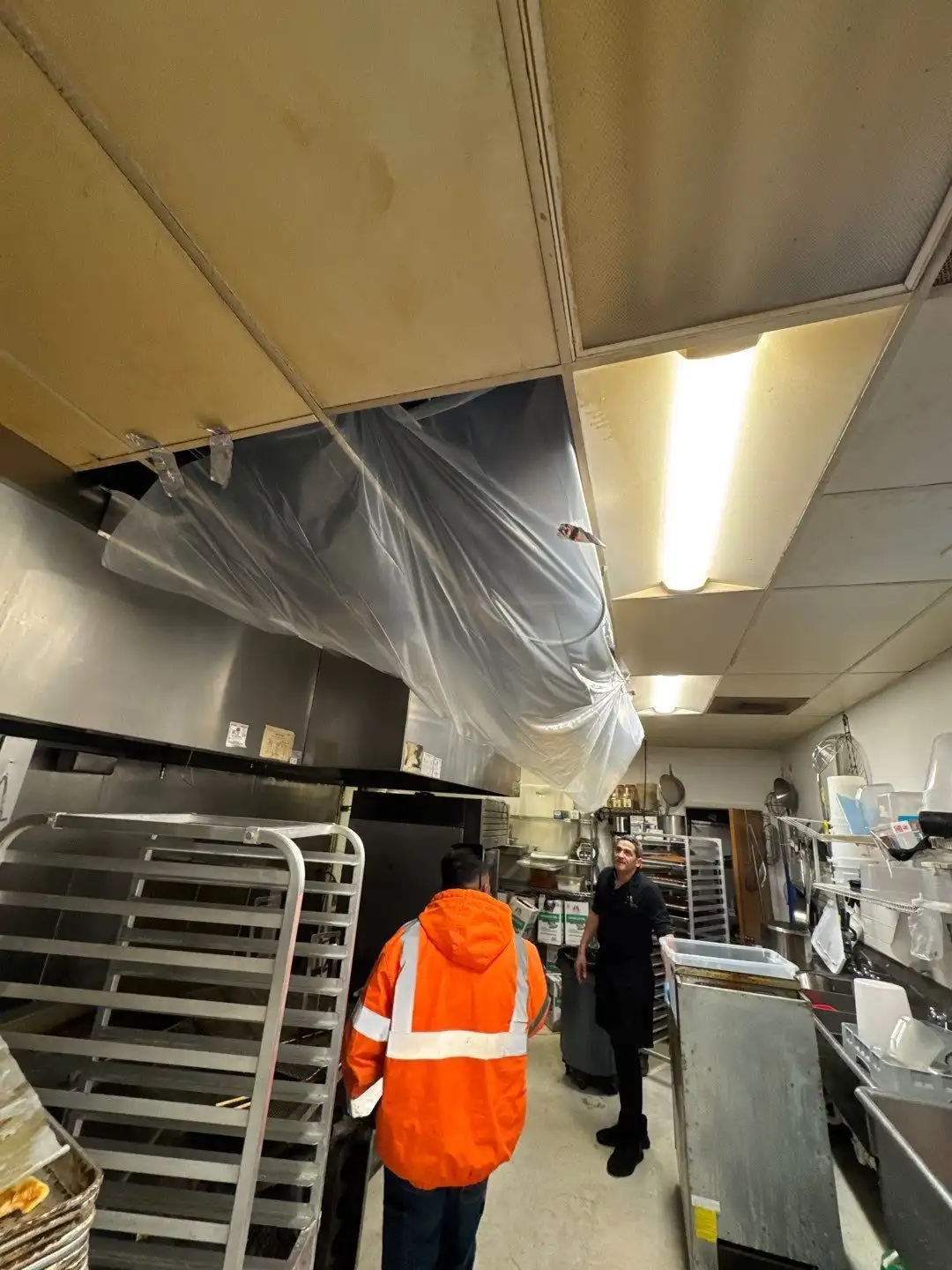
The system you choose shapes the schedule, but the schedule itself can be shaped around how your building actually runs. Retail tenants in Meridian Hills typically prefer tear off during weekday mornings before foot traffic peaks, while distribution centers often request work that avoids dock activity windows. Restaurants almost always need overnight or early morning phasing so that lunch service is not interrupted by adhesive odors or crane staging. Meridian Hills Commercial Roofing builds these constraints into the bid before crews mobilize, not after, which is why our timelines tend to hold even when weather forces a pause. Severity of any active leak is assessed over the phone first, and inspections are scheduled quickly so that tarping and dry in protect the interior while the larger replacement is sequenced into a window that fits your business.
Reading Between the Numbers
Cost per square foot is the headline, but it is also the most misleading column. A TPO project at $8 and a PVC project at $12 are not separated by membrane price alone. PVC carries heat welded seams that hold up to grease exhaust, restaurant venting, and chemical washdown, which is why we see it on roofs above kitchens and laboratories. TPO works on those same buildings, but the seams wear differently when hot oil contacts the membrane week after week. If your building has a grease hood, the $4 spread pays itself back long before the warranty expires.
EPDM looks inexpensive on the table, and for many warehouse owners it genuinely is the right call. Rubber tolerates puncture and foot traffic well, and a thick black EPDM roof can outlast its warranty by several years if drainage is clean. The tradeoff is solar gain. Black membranes absorb heat, which raises summer cooling loads in air conditioned spaces. Reflective TPO or PVC can trim that load, though the savings vary by building envelope and HVAC age. A pre replacement energy review, often combined with a thorough commercial roof inspection, helps you weigh that tradeoff with real numbers from your utility bills.
Warranty language deserves the same scrutiny as cost. A 20 year manufacturer warranty on TPO is not identical to a 20 year warranty on PVC, and neither is identical to a 20 year contractor workmanship warranty. Some manufacturer warranties prorate after year ten, others cover materials only and exclude labor, and a handful require annual inspections to remain valid. When Meridian Hills Commercial Roofing reviews bids alongside owners, we read the warranty exclusions first because that is where the surprises live. Wind speed caps, ponding water clauses, and rooftop equipment additions are the three exclusions that most often void coverage years into ownership.
Timeline is the other column owners underestimate. The table shows working days, not calendar days. A 15,000 square foot modified bitumen replacement that spans 22 working days will likely run four to five calendar weeks in Meridian Hills once you account for rain delays, dew points that prevent torch work, and the occasional autumn cold snap. Tear off creates the most disruption, since that is when noise, debris, and any temporary leak risk concentrate. If your roof is actively leaking now, addressing the immediate damage through targeted commercial roof repair while the replacement is scheduled often makes more financial sense than rushing the larger job through bad weather.